The right vinyl fabric for your project depends on where the finished piece will be used and how much wear it needs to handle.
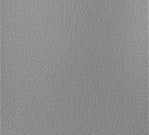
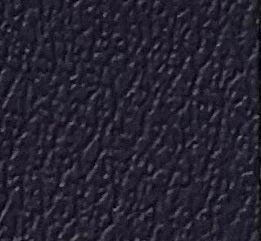
For residential upholstery projects like dining chairs, bar stools, benches, and accent furniture, standard upholstery vinyl with a soft, pliable feel works well. Decorator vinyl is designed specifically for cushions and furniture that prioritize comfort alongside durability. These materials come in colors like white, black, grey, tan, brown, red, and blue, along with smooth and textured patterns that create a polished or stylish furniture finish.
Commercial seating requires vinyl fabric built to perform in restaurants, healthcare facilities, hotels, and offices. Look for materials with higher abrasion ratings, antimicrobial features, and flammability testing. Commercial vinyl fabric often needs to meet fire codes and safety standards that residential options don't require. A knit backing conforms more easily around curves, while woven backings add stability for larger seating applications.
Automotive projects and marine projects each call for vinyl engineered for those specific environments. Automotive vinyl is designed to be flame-resistant and low in fumes, while marine vinyl resists moisture, mold, mildew, and prolonged sun exposure.
Contract and Commercial Vinyl for High-Traffic Spaces
Commercial and contract vinyl is built for spaces that see constant use without sacrificing appearance or cleanability. Restaurants, hospitals, waiting rooms, casinos, hotel lobbies, and office buildings all rely on vinyl upholstery that lasts years without showing wear.
Contract-grade vinyl typically features high abrasion resistance, stain resistance, and antimicrobial protection. Some options are designed to resist fading from indoor lighting and cleaning chemicals, which helps maintain a clean, professional look over time. These materials are sold by the yard, making it easy to stock the exact quantity your project requires.
Explore the full selection of contract vinyl for options that meet the performance standards commercial environments demand. For projects where the look and feel of real leather matters, upholstery leather hides are also worth considering alongside vinyl.
Is Vinyl Good for Upholstery? Pros and Cons
Vinyl is a practical material for most upholstery applications, and quality vinyl upholstery can last for years in the right setting. It's resistant to stains, moisture, and fading, and its non-porous surface prevents dirt and spills from seeping into the material. These features make vinyl fabric ideal for homes with pets or children, as well as commercial spaces that need easy sanitation.
That said, vinyl can be less breathable than natural fabric, which some users notice in warmer conditions. Over time, vinyl is susceptible to cracking and deterioration, especially in environments with extreme temperature changes or harsh use. PVC-based vinyl is generally more durable than PU alternatives for heavy-traffic applications, though PU often has a softer feel and a look that more closely resembles leather.
To get the most life out of vinyl upholstery, clean it regularly with mild soap and water, avoid harsh chemicals, and protect it from prolonged direct sunlight. Secure panels and seams properly during installation with the right upholstery adhesives to help your finished project hold up over time.

 Regular price $16.95Regular priceUnit price per