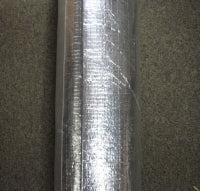
Automotive sound deadening works by addressing two problems: panel vibration in sheet metal and airborne noise that enters the cabin through gaps, floors, and wheel wells. No single product solves both. Effective noise reduction requires a layered setup that combines vibration damping, mass, and sound absorption. Combining all three in a single install produces great results, and the difference in cabin noise is noticeable even on a short test drive.
Vibration Damping Mats (Butyl Rubber)
Butyl rubber sound deadening mats are the standard deadening material for reducing panel vibration in automotive sheet metal. These peel-and-stick mats bond directly to bare metal surfaces on floors, front doors, the trunk, roof, and firewall. A vibration damping mat converts kinetic energy into heat, stopping the panel from resonating and producing noise.
Thicker mats generally provide more vibration control. Common automotive sound deadening mats range from 50 mil to 120 mil in thickness. Dynamat Xtreme is one of the most recognized names on the market, and Dynamat ProX features a 120 mil butyl core designed for maximum damping performance. Recently, brands like Resonix and HushMat have gained attention. Resonix can achieve equal performance using 3 to 4 times less material, while HushMat has been made in the USA for over 25 years. Noico is a popular option at a lower cost that still bonds well and delivers solid noise reduction.
Coverage matters as much as material quality. Applying deadening material to at least 25% of a panel surface reduces vibration noticeably. Full coverage of floors, door skins, the trunk lid, roof, and firewall produces the most dramatic noise reduction for a complete interior build.
Jute Padding and Carpet Underlayment
Jute padding is the OEM-standard under-carpet insulation found in many factory vehicle interiors. It sits on top of the sound deadener mat and underneath the carpet. Jute absorbs noise from the road, adds cushion underfoot, and provides a layer of thermal insulation between the cabin and the floor.
Jute outperforms foam padding in most automotive applications. It does not compress flat under foot traffic, it handles radiant heat from the transmission tunnel better than synthetic foam, and treated jute resists moisture. Matching the right jute padding with a vibration damping mat and carpet creates the layered sound deadening that comes closest to maintaining a factory-original level of insulation and noise reduction.
Heat and Sound Deadening: Dual-Purpose Products
Some areas of a vehicle need both thermal insulation and sound deadening. The firewall, transmission tunnel, and floor areas above the exhaust are exposed to radiant heat along with road noise. Dual-purpose heat and sound deadening material combines a reflective barrier with a sound-absorbing layer. Closed-cell foam is also effective in these zones, since closed-cell foams physically separate panels to reduce vibration and block minor high-frequency sounds while providing moisture resistance.
Best Sound Deadening Material by Application
Full Interior Restoration (Floor to Ceiling)
A complete auto interior build layers soundproofing materials from the bare metal outward. The install process is: sound deadening mat applied to clean sheet metal, jute padding or a mass-backed carpet pad laid over the mat, then automotive carpet on top. Each layer handles a different bit of the noise and comfort equation.
Midwest Fabrics carries the full range of materials for this kind of build. Pair your sound deadening material and carpet pads with headliner fabric for the ceiling, upholstery adhesives for installation, and your choice of automotive carpet and vinyl for seats and door panels.
Door Kit and Car Audio Sound Deadening
Doors are one of the most effective areas to install sound deadening material. Factory doors are often hollow, and they vibrate at highway speeds. A sound deadening door kit typically includes enough material to treat both front doors plus the rear doors. Applying a vibration damping mat to the inner door skins tightens up the panel, reduces road noise, and noticeably improves stereo and car audio sound quality by preventing the door from rattling against speaker output.
How Much Sound Deadening Material Do You Need?
Coverage depends on the scope of your project. For floors only, plan on roughly 30 to 40 square feet of sound deadening material. A full vehicle (floors, doors, trunk, roof, and firewall) typically requires 60 to 80 square feet. Trucks and SUVs trend toward the higher end. Plan to buy 10 to 15 percent extra for overlaps, trimming, and waste around contours and wheel wells. Spending a bit of extra money up front is cheaper than placing a second order mid-project.