A few tool categories show up on nearly every professional upholsterer's workbench. Below is a checklist of essential upholstery tools organized by the tasks they handle, covering must have items for upholstery work on furniture frames, automotive seats, and marine cushions.
Staple Guns and Staplers
Staple guns are the most-used tools in upholstery. Pneumatic staple guns connected to an air compressor drive staples with consistent pressure, which is why most professional upholsterers rely on them for production upholstery jobs. Electric and spring-powered staple guns work for smaller upholstery projects where a manual stapler is more practical. Staple size matters: use 3/8" fine-wire staples for lightweight upholstery fabric on thin frames, 1/2" for medium-weight fabric on standard wood furniture frames, and 5/8" for heavy vinyl, leather, or thick materials on hardwood.
Staple Removers and Tack Lifters
An upholstery staple remover with a flat, angled blade slides under staple crowns and pops them free without gouging the wood surface. A staple lifter handles pulling staples that sit flush or have been driven deep into the surface of hardwood frames. For older furniture held with tacks, a tack puller with a nylon tip protects the wood from scratch marks during removal. Removing staples cleanly saves time because damaged frames need extra prep before new materials go on.
Hog Ring Pliers and Hog Rings
Hog ring pliers squeeze metal rings around wire frames to attach fabric, and they are essential tools for automotive seats, boat cushions, and any piece with a wire-edge frame. The pliers come in straight and bent-nose styles; the bent version gives better access in tight spots like seat corners. Hog rings are sold in various sizes to fit different wire gauges.
Upholstery Shears and Cutting Tools
Heavy-duty fabric scissors with a long, curved blade handle thick materials like vinyl, canvas, and multiple layers of upholstery fabric cleanly. A good pair of upholstery shears should cut through synthetic fabrics without fraying. For straight cuts on foam, a utility knife with a fresh blade gives a cleaner edge. Wire cutters handle trimming hog ring wire, cutting springs, and clipping tack strip to length. Keep blades sharp; dull cutting tools slow down every job.
Tack Hammers, Pins, and Decorative Nails
A tack hammer is a must have for traditional upholstery work on furniture frames. One end drives tacks and decorative nails into wood, while the magnetic nylon tip end holds tacks so your fingers stay clear. Upholstery pins temporarily hold fabric in position while you check the fit and pull it taut before stapling. Decorative nails in different styles give a durable, finished edge to chairs, benches, and headboards.
Webbing Stretchers and Jute Webbing
Jute webbing forms the support base under upholstered furniture seats and backs. Over time, jute webbing sags, causing cushions to lose shape. A webbing stretcher grips the webbing and pulls it taut across the frame so you can staple or tack it under tension. Without a webbing stretcher, getting jute webbing tight enough to support foam and fabric is nearly impossible. Webbing stretchers come in different types; the spiked-end style is the most common for furniture upholstery projects.
Sewing Tools, Thread, and Needles
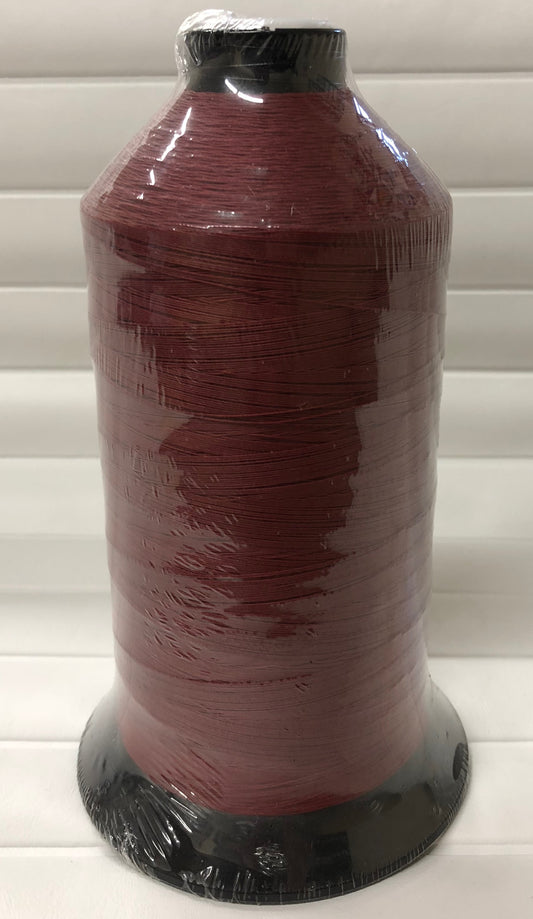
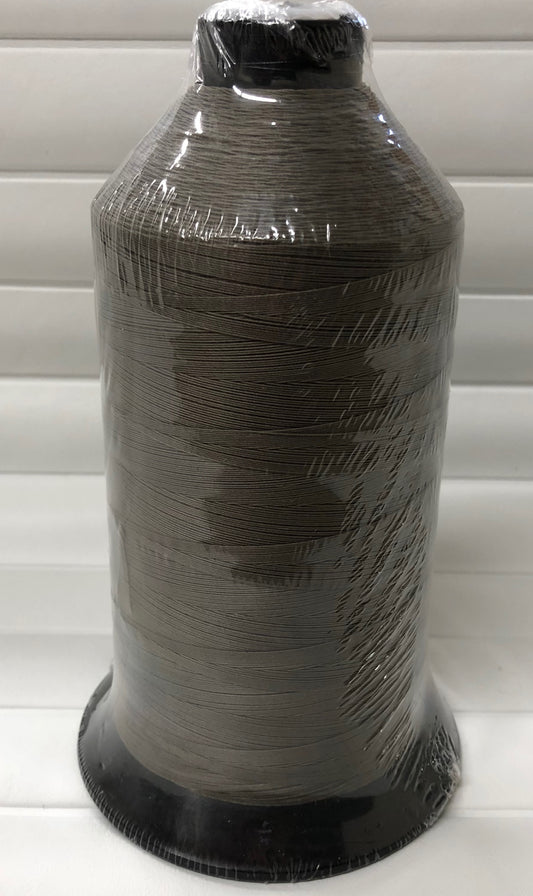
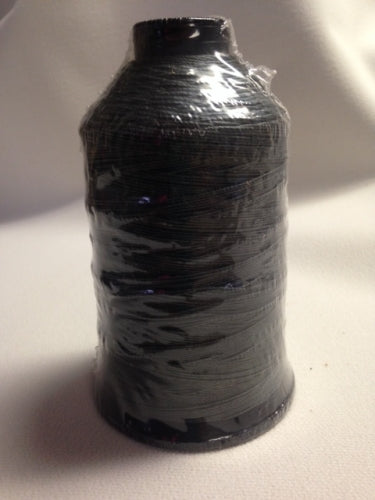
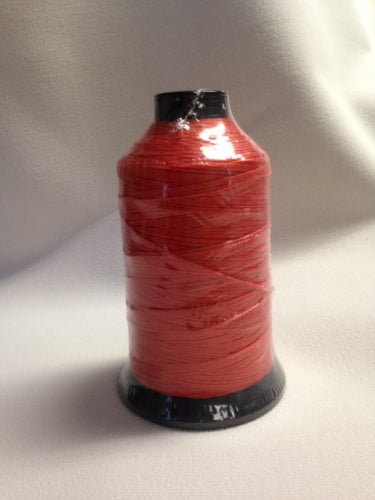
Many upholstery projects require sewing for cushion covers, welt cord, or seam repairs. A heavy-duty sewing machine with a walking foot handles thick materials like vinyl, leather, canvas, and multiple layers of fabric without skipping stitches. For hand sewing, curved needles and a tufting needle make it easier to work in tight spaces and create button tufting on furniture. Use durable upholstery thread rated for the material: bonded nylon or polyester upholstery thread resists UV and abrasion better than standard sewing thread. A tape measure is essential for measuring fabric, foam, and frames before cutting.
Spray Adhesive and Consumables
Spray adhesive replaces staples where mechanical fasteners do not work. Headliner fabric installation is the most common example: high-temperature spray adhesive bonds the foam-backed headliner material to the roof panel surface without pins, tacks, or staples. Adhesive is also handy for bonding foam to wood or plastic surfaces before wrapping with fabric.
Choosing Supplies by Project Type
Furniture Reupholstery
A dining chair project needs a staple gun, staple remover, fabric scissors, upholstery pins, a tack hammer, and a tape measure. Larger furniture like sofas adds a webbing stretcher, jute webbing, tack strips, foam, and a sewing machine for stitching covers. Remove old tacks and staples with your staple lifter first, then inspect the frame and webbing before cutting new upholstery fabric.
Automotive and Marine Projects
Car seats, door panels, headliners, and boat cushions call for hog ring pliers, spray adhesive, a utility knife, wire cutters, and upholstery thread built to handle heat and moisture. Marine upholstery projects benefit from stainless steel staples that resist corrosion.
Quick Repairs
Small tears, loose seams, and worn foam do not always require full reupholstery. A curved needle, upholstery thread, and spray adhesive handle most patch repairs on furniture and automotive seats. A utility knife, tape measure, and upholstery pins round out the tools for quick fixes on these projects.